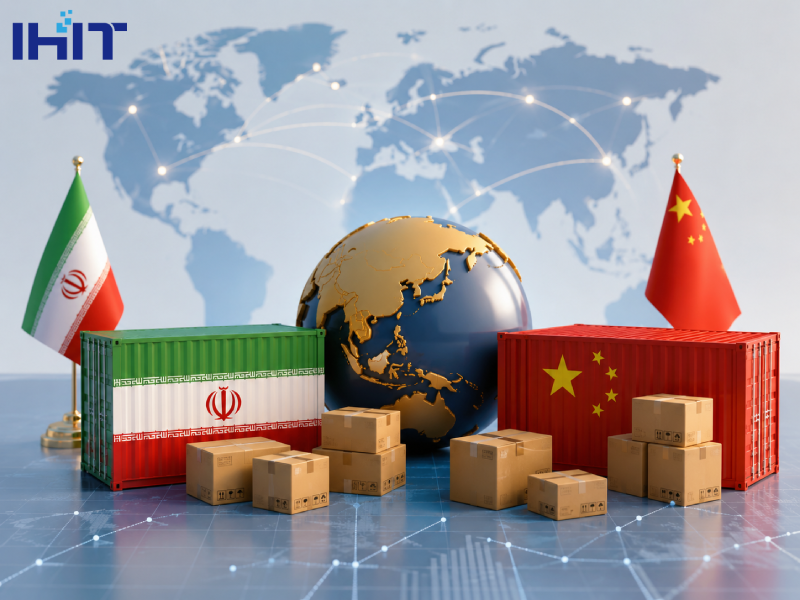
Selling products to Chinese customers at exhibitions in China, including Attending the exhibition, is not like selling to any other market. You need to have a plan. Before you go to any trade, you must understand what the local people expect. The iHiT site has said many times that to be successful in a new market you need to understand the culture. This guide will give you seven ways to help you sell more Iranian products to Chinese customers at exhibitions in China.
Strategy 1: Speak Their Language Before They Speak to You
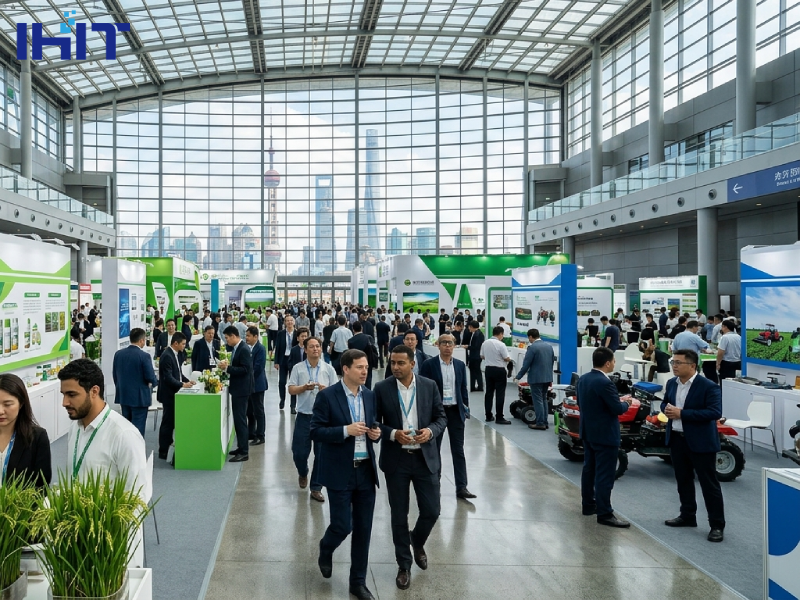
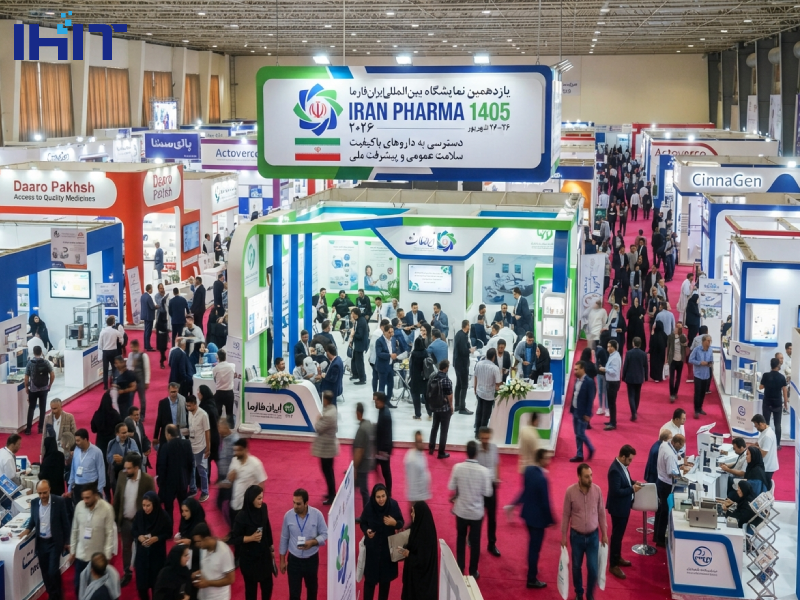
First, you need to make your booth look good to eyes. Your booth design must be clean, bright, and clearly communicate Iranian knowledge-based products to China. Have a lot of information. Do not just use Persian signs. Use Mandarin headers to show the main benefits of your Iranian products. Also show your company credentials clearly. Many Iranian exporters fail because their booth looks confusing. At exhibitions in China the first three seconds decide if a buyer will stop or walk away. So, print brochures in two languages. Train one staff member to greet visitors in Mandarin. A simple “hello” in Mandarin can open doors faster than any catalog.
Strategy 2: The Silent Rules of China’s Exhibitions
In Chinese business culture, saving “face” is essential, so buyers should never be embarrassed or publicly challenged. Communication must always be polite, even with basic questions, and the focus should stay on product quality rather than competitors.
Exhibitions are highly visible, and behavior strongly affects reputation. Simple respectful actions like smiling, thanking visitors, and offering gifts properly help build trust.
This trust can turn into long-term deals, while negative behavior can quickly damage a brand’s image.
Strategy 3: Why do Chinese buyers get confused when they see too many products?
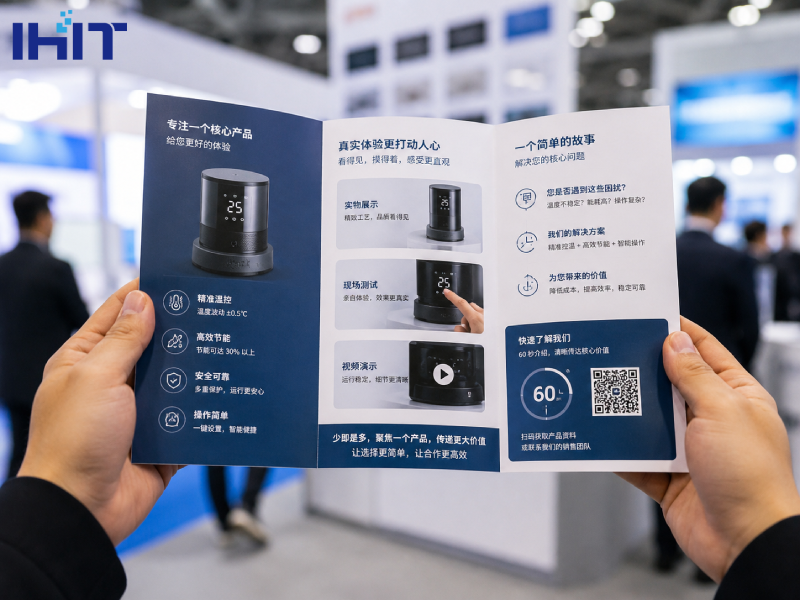
Focus on one “hero product” instead of multiple items, because Chinese buyers get overwhelmed by too much information. Highlight it clearly, support it with demos or videos, and let customers experience it directly.
Prepare a simple Mandarin fact sheet and train your team to explain the product quickly and clearly. Being focused makes your brand more memorable and improves export success.
Strategy 4: Why Chinese buyers ignore your email but answer on WeChat?
WeChat is essential for communication with Chinese buyers during and after exhibitions, not just an option. Businesses should create a WeChat account before the event and place a QR code at their booth so visitors can easily connect.
During the exhibition, sharing product photos, sending offers, and engaging with warm leads in real time is important. After the event, follow up within 48 hours with a thank-you message. WeChat is more effective than email because it is more personal and widely used in China. Joining industry groups, sharing booth updates, and posting short product videos can significantly increase visibility and trust. Fast, mobile-based communication is key to success.
Strategy 5: How much should my first sample order be for a Chinese customer?
Offer flexible and low minimum order quantities (MOQs) for first-time Chinese buyers, as they usually want to test suppliers before placing large orders. Providing trial orders reduces risk and increases trust. It is also important to accept flexible payment terms such as L/C or partial advance payment, as well as export financing solutions and trade financial guarantees. Prepare a separate “kit” price list for serious buyers to simplify decisions. This approach builds confidence and helps turn small trial orders into larger long-term contracts.
Strategy 6: Can I sell to China without international product certification?
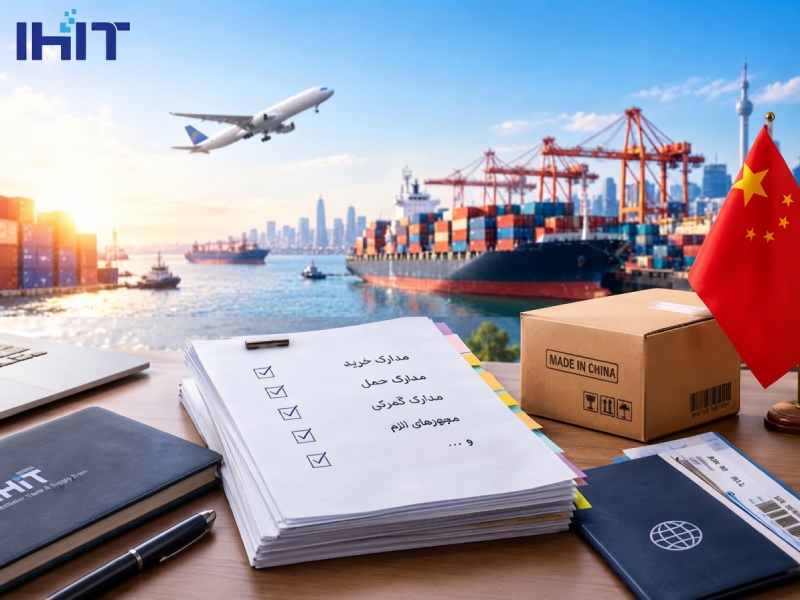
Chinese buyers strongly value certifications and official documents as proof of product quality. Before attending exhibitions in China, exporters should obtain test reports from recognized labs such as SGS or TÜV and translate them into Mandarin.
These documents, including halal certificates if relevant, should be clearly displayed at the booth along with a one-page quality control summary. Sharing evidence of past successful exports such as shipping records, delivery photos, or existing Chinese clients also strengthens trust and provides social proof. Import Facilitation Services further support smoother trade processes.
Overall, transparency and complete documentation significantly increase credibility and improve the chances of securing contracts.
Strategy 7: What should I message a Chinese buyer on WeChat after the exhibition?
After exhibitions in China, most sales happen during follow-up, not at the event. Consistent and patient communication is key.
Use WeChat to send reminders, share photos from the exhibition, and ask simple questions like whether the buyer needs samples or a video call.
A 3-month follow-up plan with helpful content builds trust and keeps your brand visible. Persistence and value-based communication can eventually lead to large orders.
Conclusion
Success at exhibitions in China depends on cultural understanding, preparation, and strong presentation rather than direct selling.
Key factors include respecting “face,” focusing on one main product, using WeChat for communication, offering flexible MOQs, showing certifications, and consistent follow-up.
Iranian products have strong demand in China, but success mainly depends on how professionally they are presented and how well relationships are built over time.