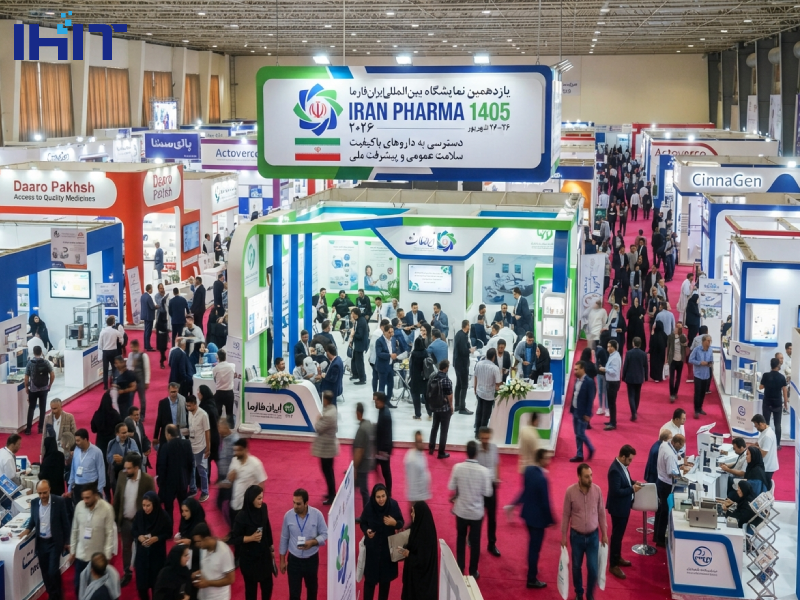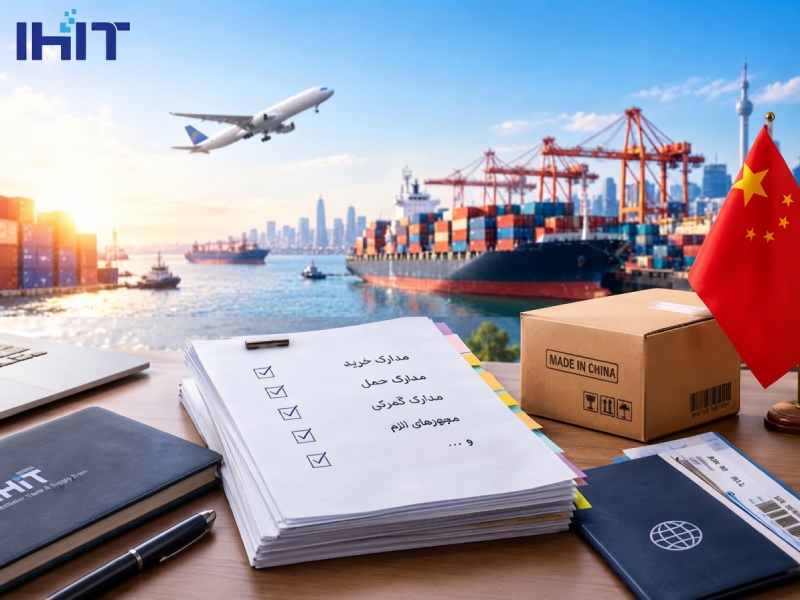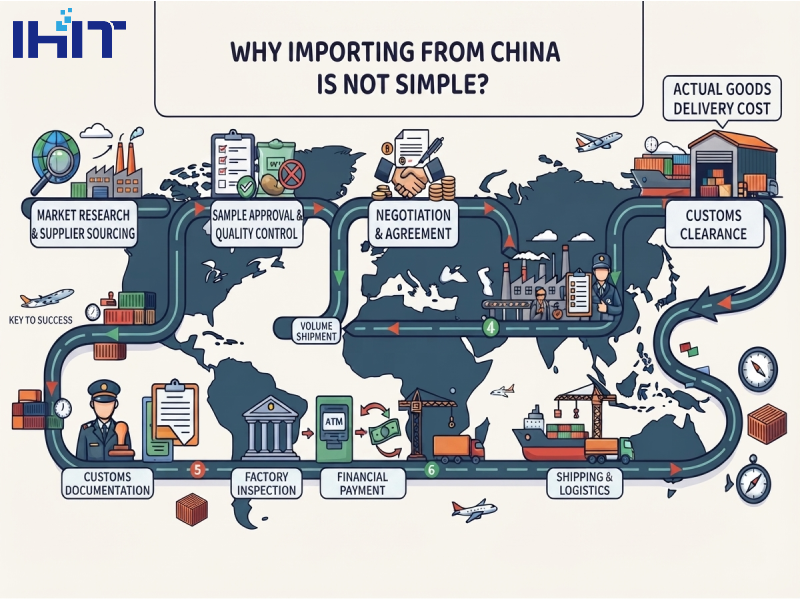
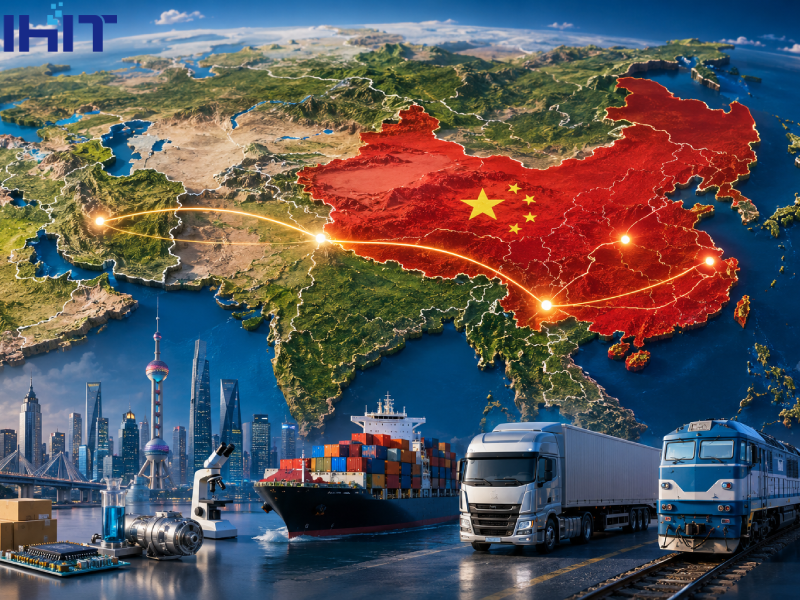
In this document the Iran House of Innovation besides Technology in Beijing provides a guide for the distribution of Iranian knowledge-based products within the Chinese market. It is possible for organizations to move technical goods into the largest technology sector in the world through specific procedures. On this blog the information describes the necessary stages for international trade between Tehran or Beijing. To ensure a clear process, the text outlines how companies can deliver innovative items to Chinese consumers without experiencing common difficulties.
Why China Is the #1 Destination for Iran’s Knowledge-Based Exports
As a destination for trade, China maintains a high demand for new technologies. Every year the government and private firms purchase large quantities of specialized machinery, laboratory supplies, electronic parts and software for industrial use – but there is a significant amount of capacity for growth in this sector that remains unused by Iranian entities. If a knowledge-based product is manufactured in Iran, it is possible to find buyers in urban centers like Shanghai, Shenzhen or Beijing. By combining a technical product with an analysis of Chinese market trends, a company can generate a high level of financial gain. While many domestic exports currently consist of petroleum, there is an opportunity for businesses to provide advanced engineering and creative designs to international partners.
Step 1: Make Your Product Suitable for China
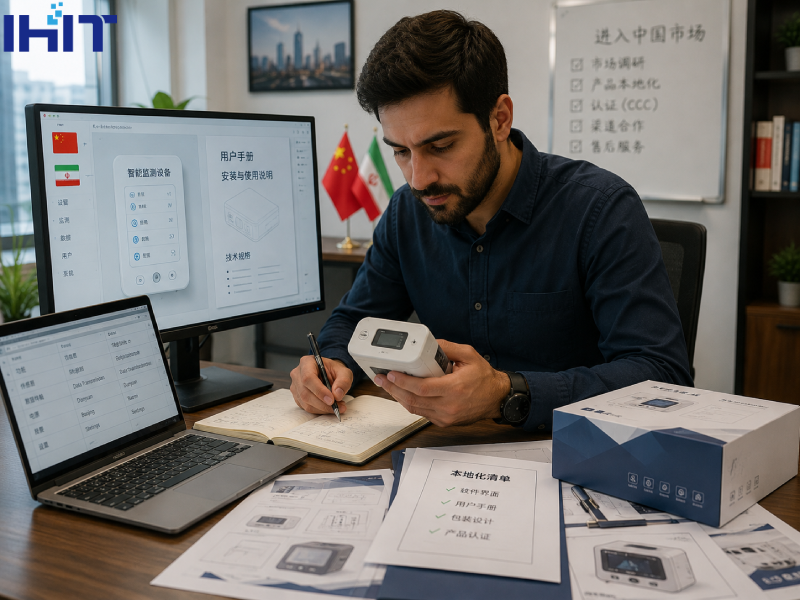
buyers really like products that seem like they were made just for them. So, before you start think about what your product does for a company. For a time, Iran has been sending raw materials to China but that is not what China wants now. If you want to Exporting knowledge-based products to China you need to translate the instructions, software, certificates and packaging into Chinese that everyone can understand. This is very important for building trust with buyers. You also need to get certificates like CCC or approval from Chinas food and drug administration for medical products.
Step 2: Prepare Your Market Entry Infrastructure
Before entering the Chinese market, make sure the necessary business infrastructure is in place. Prepare Chinese-language product catalogs and technical documents, create a multilingual website or company profile, and organize your commercial and legal documents.
A clear market entry strategy and well-prepared business materials will make future cooperation with Chinese partners more efficient. For detailed guidance on finding Chinese customers and choosing the right sales channels, read our article: How to Find Chinese Customers: 10 Practical Strategies for Iranian Companies.
Step 3: Shipping and Customs. How to Make It Easy
When you export knowledge-based products to China you need to have the HS code. If you make a mistake your shipment can get stuck in customs for weeks. You should work with a customs broker who knows about Iran’s exports to China. Also, a certificate of origin from the Iran Chamber of Commerce can reduce your tariffs by up to 30%. Knowledge-based products are usually very valuable. Do not take up much space. The best way to ship them is by air to cities like Beijing, Shanghai or Guangzhou. You can also use the train, which goes from Tehran to Beijing via Turkmenistan and Kazakhstan and takes 15 days.
Step 4: Challenges and How to Overcome Them
Exporting knowledge-based products from Iran to China can be difficult. There are challenges like:
– Banking sanctions
– Differences in culture and language
– Strong competition from companies in China
There are ways to solve these problems. For sending money you can use alternatives like cryptocurrencies leasing through a Chinese partner or using foreign currency accounts in banks of other countries. Start by exporting a number of products like 100 units to test the market. Get feedback. Then send more products. Do not forget to use the support programs from Iran’s Export Guarantee Fund and the Vice Presidency for Science and Technology.
Start Today
Exporting Iran’s knowledge-based products to China is not a good idea. It’s something Iran needs to do to grow its innovation economy. When Iran exports knowledge-based products to China it builds a connection between two civilizations and two growing economies. If Iran sells knowledge-based products to China it will make valuable foreign income, instead of just oil and petrochemicals. It will sell both soft technologies. The Iran House of Innovation and Technology, in Beijing is here to help and guide you. Start with one product. But start now. When you sell your product in China people will start to know Iran better.
Frequently Asked Questions
Usually, the answer is no. You need to change the language, certifications, packaging and even the price to fit rules and what people like. Making your product suitable for China is necessary.
There are ways to do this:
-Partner with the Iran House of Innovation and Technology in Beijing
-Join virtual or physical exhibitions in China
-Use B2B platforms, like Alibaba.com with a professional Chinese-language profile
-Hire a Chinese distributor who works on a commission basis
The major costs are:
-Shipping costs, which can be by air or rail
-Getting certifications and doing testing
-Translating and making your product work for China
-Registering your brand and intellectual property in China
-Paying customs duties and Chinese VAT
Based on 2024–2025 import data these are in demand:
-Medical and laboratory equipment
-Nanomaterials and coatings
-Industrial software and AI solutions
-Electronic components and sensors
-Advanced materials and composites