
Securing an overseas buyer is only one part of the export journey. Before your goods can leave the country, you need to determine which export licenses, permits, and supporting documents apply to your product. Depending on the type of goods you are exporting, additional regulatory approvals or a product export certificate may be required. Understanding these requirements early can help you avoid customs delays, incomplete documentation, and unnecessary costs.
In this guide, the experts at iHiT in Beijing explain the export license process, the documents typically required, and the key considerations businesses should review before shipping products to international markets, including China.
How Can You Tell Whether Your Product Requires an Export License?
The easiest way is to identify your product’s HS Code (Harmonized System Code). This internationally recognized classification determines which export regulations apply to your goods and whether an export license or any additional certificates are required.
For many industrial and manufactured products, completing the standard export customs procedures is sufficient. However, products such as food, pharmaceuticals, medical devices, agricultural products, animal-based goods, and certain chemicals often require additional permits or regulatory approvals before they can be exported.
Read more: A Roadmap for Exporting Iran’s Knowledge-based products to China
What Documents Are Required to Obtain an Export License?
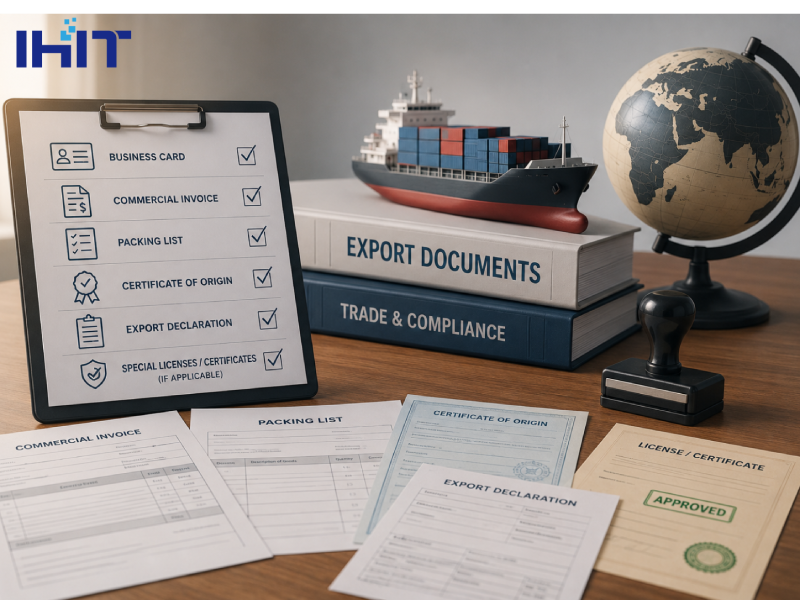
Before beginning the application process, it is advisable to prepare all essential documents in advance. Having complete and accurate documentation can speed up the review process and reduce the risk of delays during customs clearance.
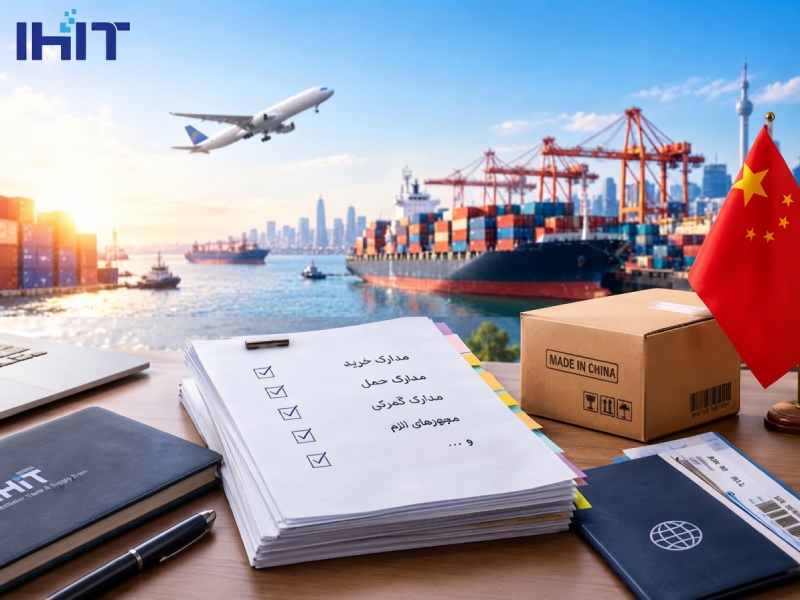
The documents commonly required for export include:
- Valid Business Registration or Commercial Trading License (where applicable)
- Commercial Invoice
- Packing List
- Certificate of Origin
- Export Customs Declaration
- Product-specific licenses or regulatory certificates (if required)
Depending on the product category and the destination country, additional documents may also be requested. For this reason, it is important to review the specific export requirements before shipping your goods.
Continue reading: How to Obtain a Knowledge-Based Certificate for Your Products?
What Is the Export License Process?
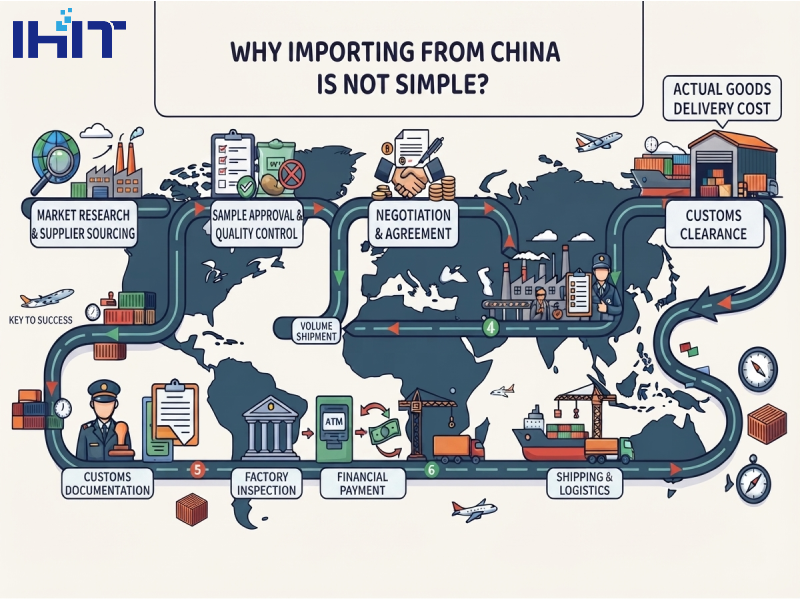
In most cases, obtaining an export license involves four main steps.
1. Determine Whether Your Product Requires a License
The first step is to identify whether your product is subject to export licensing requirements. This is typically determined based on the HS Code and the applicable export regulations.
2. Obtain the Required Licenses and Certificates
If your product falls under specific regulatory requirements, you must obtain the necessary permits or product export certificates from the relevant authorities before submitting your export declaration.
In some export cases, businesses may also be required to provide trade financial guarantees or fulfill additional regulatory commitments before the process can move forward.
3. Submit the Export Declaration
Once all required documents have been prepared, the shipment details are submitted through the customs declaration system. Information such as product value, quantity, tariff classification, and destination country will be reviewed as part of the customs process.
4. Complete Customs Clearance and Export the Goods
Finally, customs authorities review the required documents and, if necessary, inspect the shipment. Once all requirements are met, the goods are cleared for export.
For businesses with ongoing export activities, managing licenses, documentation, and customs procedures can be time-consuming. Export Facilitation Services can help simplify these processes and improve efficiency.
If you are exporting for the first time, consulting experienced professionals before starting the licensing process can help you avoid many of these issues. This is where Export Consulting Services can be particularly valuable, especially when you are still identifying the licenses, certificates, and documentation your products require.
Conclusion
Obtaining an export license is an essential part of the legal export process. Depending on the type of product, businesses may also need additional permits, regulatory approvals, or product-specific certificates before goods can be shipped internationally.
Frequently Asked Questions About Export Licenses
No. In most commercial exports, a valid commercial trading license is required to obtain export approvals and complete customs procedures.
Customs authorities may hold the shipment until the required licenses are provided, resulting in delays and additional costs.
No. Each country has its own import regulations and documentation requirements, so the required approvals may vary by destination.
Yes. Some export licenses and certificates are valid only for a specific period and must be renewed after they expire.