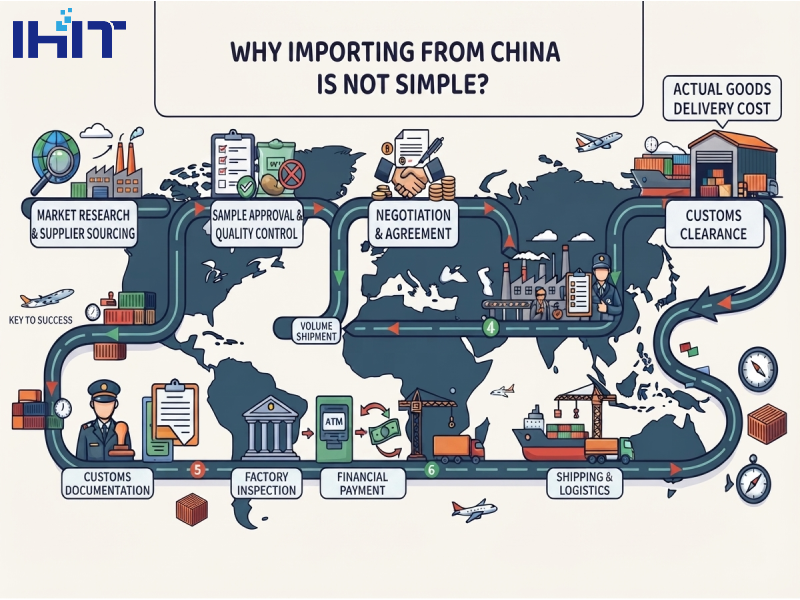
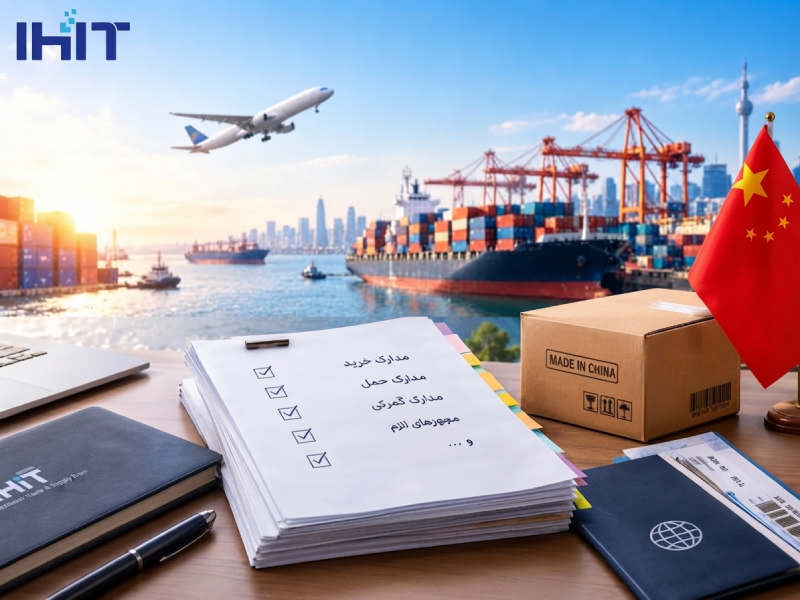
When you are importing goods from China for the first time, choosing the right product is probably the first thing that comes to mind. However, before selecting a supplier and finalizing your purchase, you need to know which documents and permits may be required throughout the purchasing, shipping, and customs clearance process. At iHiT, we often see companies and traders start the import process without a clear checklist, only to face document discrepancies, customs clearance delays, or unexpected costs later on. To better understand these challenges, you can also read our article, Why Is Importing from China Not as Simple as It Seems? Below, we have reviewed the documents you may actually need for customs clearance in a straightforward and practical way.
Quick Summary of Import Documents from China
| Document | Issued By | Process Stage | Main Purpose |
| Proforma Invoice | Chinese supplier | Before the transaction | Order registration and purchase details |
| Commercial Invoice | Chinese supplier | After purchase is finalized | Determining customs value |
| Packing List | Chinese supplier | During cargo packing | Package contents, weight, and dimensions |
| Certificate of Origin (CO) | Authorized issuing body | Before goods leave China | Confirming the origin of the goods |
| China Export Declaration | Chinese customs | Before export | Confirming legal export from China |
| Product Catalog or Brochure | Chinese supplier | Before or during the transaction | Identifying product specifications |
| Importer/Trader ID | Trade/customs systems | Before starting the import process | Identifying the importer |
| Bill of Lading (B/L) / Air Waybill (AWB) | Shipping company | After loading | Cargo receipt and transport |
| International Cargo Insurance | Insurance company | Before shipment, if selected | Coverage against potential losses |
| Inspection Certificate | Inspection company, if required | Before loading | Confirming quality or required standards |
| Commercial Card | Relevant authorities | Before formal import/export | Authorization for commercial activities |
| Order Registration & Currency Code | Trade system / Central Bank | Before goods arrive | Part of the legal import process |
| Specialized Permits | Relevant authorities | Before customs clearance | Approving regulated or specialized goods |
| Customs Warehouse Receipt | Customs warehouse | Upon arrival at customs | Recording shipment details |
| Cargo Release Order | Shipping company or agent | Upon arrival | Supporting cargo release and clearance |
What Documents Do You Need When Buying from a Chinese Supplier? (Purchasing Stage)
When you start a transaction with a factory or supplier, these documents define the key details of your purchase and shipment. The more carefully you request and review the documents from your Chinese supplier at this stage, the fewer problems you are likely to face when the shipment arrives at its destination. If this is your first time working with a company in China, Export Consulting Services for Chinese and International Companies can help clarify the process and prevent common mistakes at the beginning.
- Proforma Invoice: The initial document from the supplier, including product details, prices, payment terms, and other key transaction information. It is usually used as the basis for order registration.
- Commercial Invoice: The final invoice for the purchase, used by customs to determine the customs value and calculate duties and taxes.
- Packing List: Lists the contents of each package, including quantity, weight, and dimensions. Any discrepancy with the actual shipment may lead to additional customs checks.
- Certificate of Origin: Confirms where the goods were manufactured and may affect customs treatment or applicable tariff rates.
- China Export Declaration: Confirms that the shipment has been legally declared for export through Chinese customs and may be reviewed by destination-country customs.
- Product Catalog or Brochure: Provides product specifications needed to accurately identify certain goods, especially machinery and technical equipment.
- Importer/Trader ID: Identifies the importer in relevant trade and customs systems. Completing the required registration in advance can help prevent delays or discrepancies.
What Documents Do You Need to Ship Goods from China to Iran? (Transportation Stage)
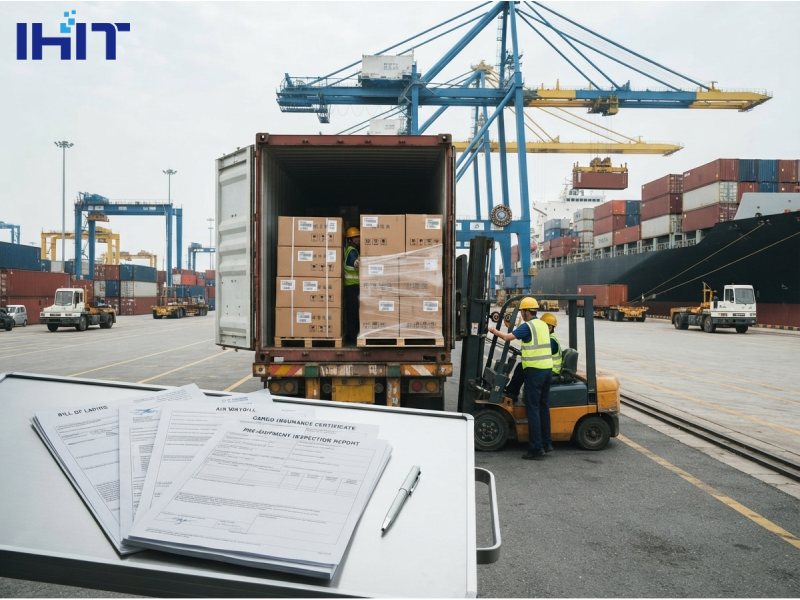
Once the goods leave the factory, transport documents track the shipment and its movement. Make sure your shipping company provides the correct documents to avoid delays at the destination.
- Bill of Lading / Air Waybill: Proof that the goods have been handed over to the carrier. A Bill of Lading may also be required to collect sea cargo, while an Air Waybill mainly serves as a transport receipt.
- International Cargo Insurance: Covers potential losses or damage during transportation. Whether it is required depends on the contract and delivery terms. For payment-related risks, Guarantee and LC Issuance Services for Transactions with Chinese Companies can also provide additional protection.
- Inspection Certificate: Certain goods—particularly machinery or sensitive raw materials—require pre-shipment certification by accredited inspection agencies. Coordinating technical inspections at the origin and aligning them with Iran Customs standards is a key part of our import facilitation services, preventing non-compliant shipments from reaching the destination port.
What Permits Do You Need to Clear Goods Through Customs? (Customs Stage)
The arrival of your goods at customs does not necessarily mean they can be cleared immediately. Depending on the type of goods and the applicable import procedure, you may need to submit additional documents, obtain permits, and complete specific customs formalities. This stage often requires careful coordination and familiarity with the relevant government systems.
- Commercial Invoice: The official purchase invoice issued by the Chinese supplier. Customs authorities use the information and price stated on it to determine the customs value (CIF) and calculate applicable customs duties and import taxes. If you want to understand how these figures affect your final costs, we recommend reading our guide to calculating import tariffs from China and customs duties for a more accurate estimate of your customs clearance costs.
- Order Registration and Currency Code: This process is used to verify currency allocation and match import approvals through the Comprehensive Trade System and the Central Bank. It determines the applicable currency conditions and tariff classification (HS Code) for your goods, which plays a key role in determining the import tariff and customs duties from China applicable to your shipment.
- Specialized Permits: Certain goods, such as medical equipment, food, and industrial products, may require approval from relevant authorities. Check requirements before purchasing to avoid delays and extra costs.
- Customs Warehouse Receipt: Issued when the goods enter the customs warehouse and records key details such as product, quantity, weight, and transport information.
- Cargo Release Order: Issued by the carrier or its representative and used during cargo delivery and customs clearance. It is typically obtained after the shipment arrives at its destination.
What You Should Know Before Taking Any Official Action
The regulations and authorities responsible for issuing some of these documents may change, and requirements can vary depending on the type of goods, shipment value, and terms of the transaction. Before taking any official action, it is advisable to confirm the latest requirements through official sources, such as the relevant trade system, customs authority, or national standards organization, or consult a qualified customs professional.
Frequently Asked Questions
Missing a document does not always prevent customs clearance, but it can cause delays, additional storage or demurrage costs, and in some cases, penalties. To avoid problems, check all required documents before the shipment departs.
Yes. Personal imports generally follow simpler procedures and may have specific value and quantity limits. This checklist is intended for commercial and business imports.
Based directly in Beijing, iHiT serves as an operational bridge between buyers and Chinese manufacturers. We focus primarily on the origin phase: verifying suppliers, auditing draft shipping documents (Invoice, Packing List, Certificate of Origin), and ensuring compliance with destination import regulations before shipment, minimizing the risk of customs delays at destination.