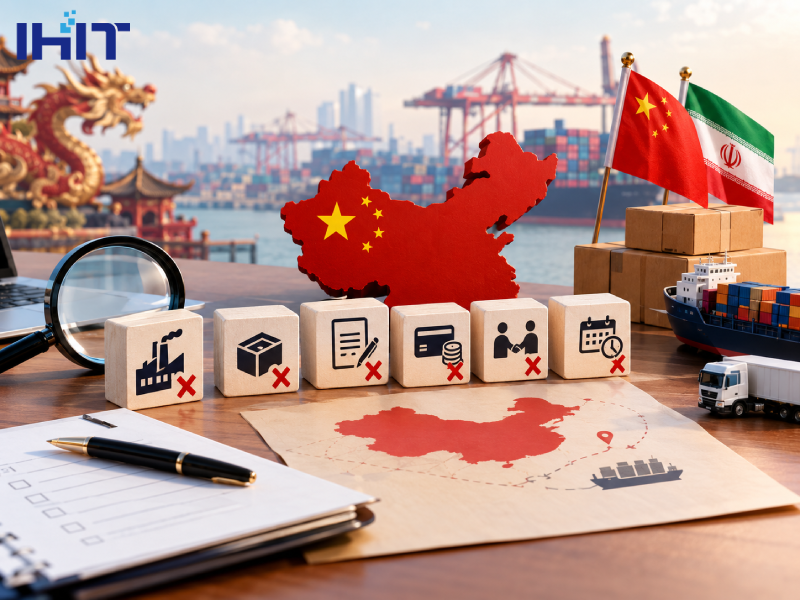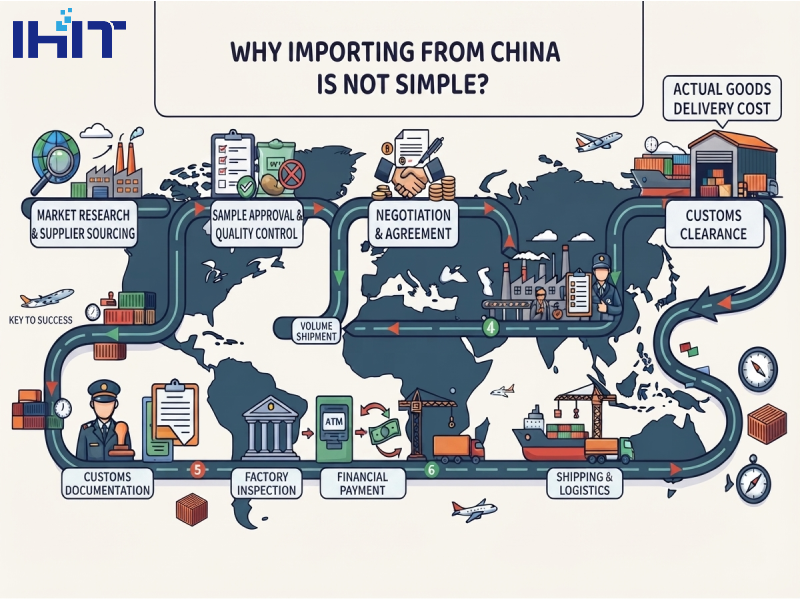

China is one of the world’s largest economies, offering significant opportunities for Iranian businesses. However, finding reliable Chinese customers and building long-term business relationships remains one of the biggest challenges for exporters.
Success in the Chinese market requires more than a quality product. Understanding the market, business culture, and communication channels is essential to avoid costly mistakes and accelerate market entry.
At iHiT, we have identified 10 practical strategies to help Iranian companies attract Chinese customers, build strong business networks, and expand their exports to China.
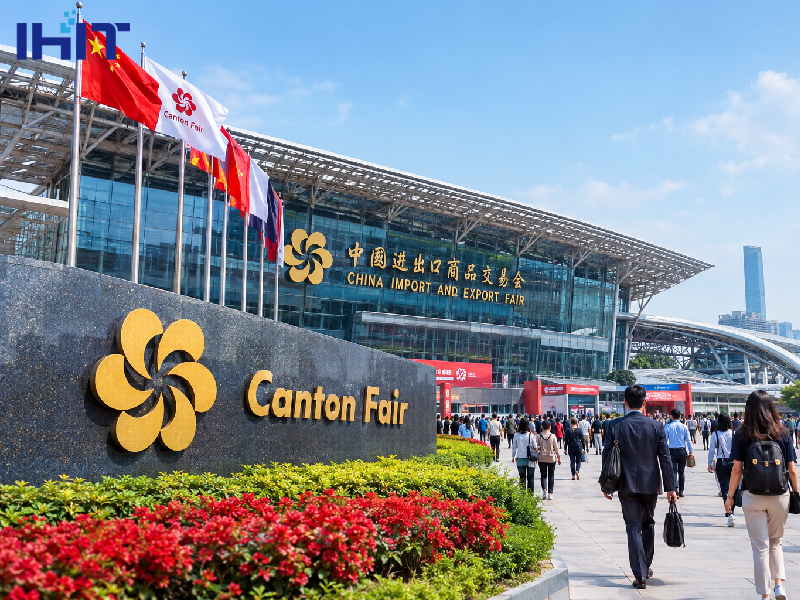
1. Why Participate in Chinese Trade Exhibitions?
Attending major trade fairs in China is one of the most effective ways to connect directly with potential buyers, distributors, and business partners. These events provide valuable opportunities to showcase your products, understand market demand, and build new business relationships. For practical tips on exhibiting successfully and engaging with Chinese visitors, read our article: 7 Smart Strategies for Promoting Iranian Products to Chinese Buyers at Trade Shows in China.
2. What Organizations Can Help You Enter the Chinese Market?
Many companies face significant challenges in the early stages of entering the Chinese market due to limited knowledge of its business environment. Working with specialized organizations such as iHiT provides access to a network of buyers, distributors, and investors while helping businesses navigate the market more efficiently. In addition, using export consulting services can make the process faster, more cost-effective, and less risky.
3. How Can You Find Customers Through Chinese B2B Platforms?

Let’s not pretend everyone’s still doing business via faxes and phone calls. The bulk of it is online, especially in China with their own B2B giants. Build out a sweet profile. Reply to messages fast. Stick up your best products. That’s how you pop up on the radar of serious buyers, especially if you’re working in a specialty or tech field.
4. How Can You Find a Sales Representative or Distributor in China?
Lots of foreign companies work with Chinese distributors—not just because of language gaps. Locals know who’s buying what, and when. Get yourself a reliable partner with reach and a good rep, and everything from logistics to pitching clients gets easier. Make sure you vet them, though. Some “partners” are just looking for a quick buck.
5. How Should You Negotiate with Chinese Companies?
In China, B2B sit-downs matter—a lot. Bring samples, show off your tech, and get hands-on. These meetings are where you pick up on what clients want (beyond what they say in emails). Demos and real-world proof almost always count for more than PowerPoints.
In many business negotiations, having a professional meeting space can help build trust with potential partners. A shared workspace in Beijing enables Iranian companies to hold business meetings, present their products, and conduct commercial negotiations in a professional environment without the need to establish a permanent office in China.
6. How Can You Create a Professional Catalog for the Chinese Market?
Here’s a facepalm mistake: companies just translate stuff into English and think they’re set. Newsflash: most Chinese buyers want materials in their own language. So, invest in a proper Chinese catalog, localize your website, and give them info in a way they actually want it.
7. How Can You Promote Your Brand on Chinese Digital Platforms?
Building a strong digital presence can increase your brand’s visibility and credibility in the Chinese market. A multilingual website, localized content, and a professional presence on digital platforms commonly used by Chinese businesses can help strengthen brand awareness and support long-term business development.
8. How Can Trade Delegations Help You Find Chinese Customers?
Trade missions and business trips get you “in the room.” These programs help you meet decision-makers and see the market with your own eyes. They’re the fast-track for finding opportunities you’ll never see from behind a laptop in Tehran.
9. How Can Product Samples Help Attract Chinese Buyers?
Many Chinese buyers prefer to evaluate a product before making a purchase. Providing product samples or running a pilot project can help build trust and demonstrate the quality and performance of your solution, especially for technology-based and specialized products.
In addition to product samples, using trade transaction guarantee services can reduce risks for both parties and strengthen confidence during the early stages of cooperation.
10. What Should You Do After Meeting a Chinese Customer?
It’s wild how many deals fizzle out because someone just stops replying after the handshake. Stay in touch, send updates, and keep conversations going. Most partnerships in China take time and patience to ripen.
Conclusion
Tracking down the right Chinese customers is all about research, hustle, and a good bit of street smarts. Go to exhibitions, lean on organizations like iHiT, use online platforms that locals actually use, and build your own network. Don’t try to shortcut the process.
For any Iranian business looking to expand, learning China’s market vibe—and actually going the distance with follow-up and prep—can set you up for long-term wins. Yeah, it’s a beast of a market. But the companies that really put in the work? They don’t just get customers. They become a name in China.