
For businesses entering the Chinese market, finding a buyer and selling a product is only part of the export process. Getting paid for the transaction is equally important. Differences in banking regulations, payment methods, and financial requirements can make receiving money from China challenging for some exporters.
At iHiT Beijing, understanding how export payment transfers work, as well as when and under what conditions a Chinese buyer makes payment, can help exporters better manage financial risks. Our guide to exporting to China also provides a broader overview of the export process and the steps involved in entering the Chinese market.
What are the ways to receive money from China?
Receiving payment from an overseas customer is more complex than a domestic one, often involving different regulations, banks, and documents — so exporters should agree in advance with the buyer on payment method, timing, currency, and required documentation.
Checking the Chinese buyer’s business history and financial capacity is equally important, since receiving payment from China starts with verifying the buyer, not just choosing a payment method.
How do sanctions affect money transfers from China?
Banking sanctions can create restrictions on receiving money from China and may limit or block certain direct payment channels. Exporters should therefore check the payment method, the credibility of any intermediary, and the latest applicable regulations before entering into a transaction, as financial restrictions and conditions may change.
What are the methods of transferring money from China to Iran?
The right export payment transfer method depends on the transaction value, type of goods, terms agreed between the parties, and applicable financial regulations. There is therefore no single payment method that works for every transaction. Before the goods are shipped, the payment method, transaction currency, settlement date, and required documents should be clearly defined in the contract.
Payment terms should also be considered alongside other export requirements. Familiarity with the export license process can help exporters properly plan the legal and financial aspects of a transaction before shipping the goods and settling the payment.
| Payment method | Common use in trade | Main advantage | Key consideration |
| Bank transfer | Commercial transactions and contractual payments | Transparency and clear documentation | Depends on banking conditions and financial restrictions |
| Staged payments | Large orders or custom manufacturing | Shares payment risk between buyer and seller | The payment schedule should be clearly defined in the contract |
| Letter of Credit (LC) | High-value and formally structured transactions | Greater security around payment commitments | Availability and banking requirements must be assessed |
| Payment through authorized intermediaries | Situations where direct transfers are not available | Provides alternative financial channels | The intermediary’s credibility and authorization should be verified |
| Cryptocurrency payments | Certain international transactions and services | Speed and convenience in some cases | Legal status and suitability for each transaction must be assessed |
Can cryptocurrency be used to receive money from China?
Financial technology has introduced new options for international payments, but using cryptocurrency between Iran and China should be evaluated based on applicable laws, financial regulations, and contract terms.
Exporters shouldn’t choose it simply for speed or convenience — legal status and proper documentation matter just as much. Cryptocurrency is not a general replacement for conventional payment methods without first assessing these requirements.
How do Chinese buyers make payments?
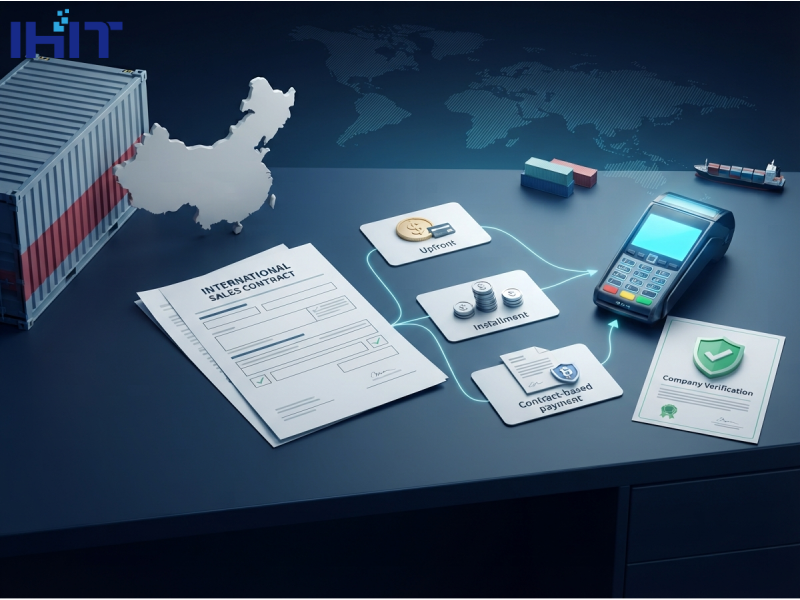
The way a Chinese buyer makes payment can vary depending on the contract, the history of the business relationship, and the transaction size. Payments may be made upfront, in stages, or under other agreed terms. The payment amount and schedule, transaction currency, destination account, and required documents should be clearly defined before the goods are shipped.
The buyer’s credibility should also be carefully assessed. Businesses that know how to find Chinese customers and verify the credibility of potential buyers can identify many financial risks before entering into a transaction.
What documents are required to receive export payments?
Commercial documents are an important part of receiving money from China. Depending on the product and payment method, these may include the sales contract, commercial invoice, shipping documents, packing list, and other product-related documentation. Buyer and seller details, the transaction value, and product information should be consistent across all documents.
Understanding export standards for China also helps exporters prepare the required documentation more accurately and reduce the risk of delays in payment and customs clearance.
How can you reduce the risk of non-payment by a Chinese buyer?
No payment method can eliminate every risk in an international transaction. Reducing payment risk starts with verifying the buyer, checking the Chinese company’s business and registration records, and clearly defining each party’s financial obligations in the contract.
For high-value transactions, commercial guarantee services may also help reduce part of the financial risk, depending on the structure of the transaction.
What role do contracts and guarantees play in securing export payments?
An export contract should cover more than just price — it should clearly define the transaction amount and currency, payment schedule, delivery terms, each party’s responsibilities, required documents, and dispute resolution. Clear terms make payment transfers more predictable and ensure both parties understand their obligations.
For high-value transactions, payment guarantees or other risk-management instruments may also be worth considering, depending on the deal’s nature, the parties’ credibility, and the level of risk.
What should you consider when receiving payment from a Chinese buyer?
To manage the financial side of an export transaction more effectively, consider the following from the beginning:
- Verify the buyer’s credibility before signing the contract.
- Agree on the payment method and schedule before shipping the goods.
- Make sure the financial and commercial details in the contract match the invoice and other documents.
- Agree in advance on the transaction currency and any potential transfer fees.
- Check the documents required for payment and settlement before completing the transaction.
- Consider appropriate risk-management tools for high-value transactions.
- Review the financial and trade regulations applicable to the transaction before making any payment.
When a transaction has a complex structure, reviewing the contract, payment method, and commercial requirements before signing becomes even more important. In such cases, business consulting services can be used to assess different aspects of the transaction and identify potential risks.
What are the common mistakes when receiving money from China?
Common mistakes include agreeing on payment terms verbally, shipping goods without verifying the buyer, and submitting incomplete or inconsistent documents. These issues can delay or complicate payment from a Chinese buyer.
Exporters should also ensure that export standards for China are addressed before shipping the goods. For businesses that need a local presence to manage commercial activities and follow up on business matters in China, a shared office in China can also provide a practical base for commercial activities.
Conclusion
Receiving money from China should be planned from the beginning of negotiations, alongside checking the buyer’s credibility, contract terms, payment method, and required documentation. A successful export payment transfer depends not only on choosing the right payment method but also on keeping documents consistent and clearly defining the obligations of both parties.