Choosing the right platform from the many online selling platforms in China is one of the most important decisions for manufacturers, exporters, and importers. In this guide, you’ll discover the best Chinese online marketplaces, learn what each platform is designed for, understand their key differences, and find out how to choose the right one based on your business goals.
ihit Iran, based in Beijing, provides practical insights and professional trade solutions to help businesses worldwide enter the Chinese market with greater confidence and efficiency.
The Role of Chinese Online Platforms in Import, Export, and International Trade
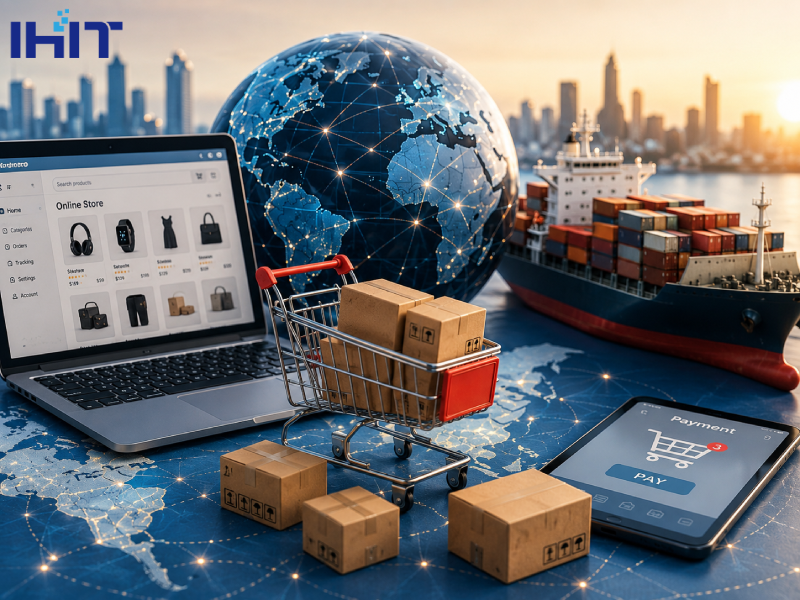
Chinese online marketplaces are more than just places to buy and sell products. They connect manufacturers, suppliers, and buyers from around the world on a single platform. Some focus on business-to-business (B2B) trade, while others are designed for direct-to-consumer sales. Choosing the right platform can make it easier to find customers, source products, and expand into international markets. If you’re planning to enter the Chinese market, professional Export Consulting Services can help you select the right platform while reducing commercial risks.
How Are China’s Online Selling Platforms Different from Amazon and eBay?
While Amazon and eBay are primarily designed for direct-to-consumer sales, many Chinese online selling platforms are built with business sourcing and supplier relationships in mind. They often support features such as quotation requests, product customization, supplier negotiations, and bulk orders. This makes them particularly useful for businesses looking to source products, enter the Chinese market, or expand their international operations. If you plan to introduce your products to China, Export Facilitation Services can help streamline the process and reduce potential risks.
What Types of Online Selling Platforms Are Available in China?
Not all online selling platforms in China serve the same purpose. Some are designed for wholesale sourcing and supplier connections, while others focus on retail sales or transactions between individual sellers and buyers. Understanding these different platform types can help you choose the right option based on your business needs.
- 1. B2B Platforms
B2B platforms connect businesses with manufacturers, factories, wholesalers, and other suppliers. They are commonly used for wholesale purchases, product sourcing, exports, and establishing supplier relationships.
- 2. B2C Platforms
B2C platforms allow businesses to sell products directly to individual consumers. They are mainly used for online retail and reaching end customers.
- 3. C2C Platforms
C2C platforms enable individuals to buy and sell products directly with other consumers. They can be useful for small-scale sellers, second-hand goods, and customized products.
- 4. Wholesale Platforms
Wholesale platforms focus specifically on bulk orders and commercial purchasing. They often provide tools for supplier negotiations, quotation requests, price discussions, and customized orders.
If you’re planning to source products from China, combining the right platform with professional China Import Services can reduce purchasing risks while simplifying shipping and customs procedures.
Comparison of the Best Online Selling Platforms in China
The table below compares the key features of each Chinese online marketplace, including platform type, suitability for buying or selling, minimum order requirements, language support, international shipping availability, and overall suitability for international businesses.
| Platform Name | Type | Best For | Minimum Order | Language | International Shipping | Suitability for Iranian Users |
|---|---|---|---|---|---|---|
| Alibaba | B2B | Wholesale purchasing and international sales | Bulk orders (MOQ varies) | English | ✔ | 5/5 |
| 1688 | B2B | Purchasing from Chinese suppliers | Bulk orders | Chinese | ✖ (Requires a local agent/intermediary) | 4/5 |
| Made-in-China | B2B | Wholesale purchasing and international sales | Bulk orders | English | ✔ | 5/5 |
| Global Sources | B2B | Wholesale purchasing and international sales | Bulk orders | English | ✔ | 4/5 |
| DHgate | B2B / B2C | Small-volume purchasing and selling | Low MOQ | English | ✔ | 4/5 |
| AliExpress | B2C | Retail purchasing and small-scale sales | Single items (No MOQ) | Multilingual | ✔ | 3/5 |
How to Find a Reliable Chinese Supplier Online
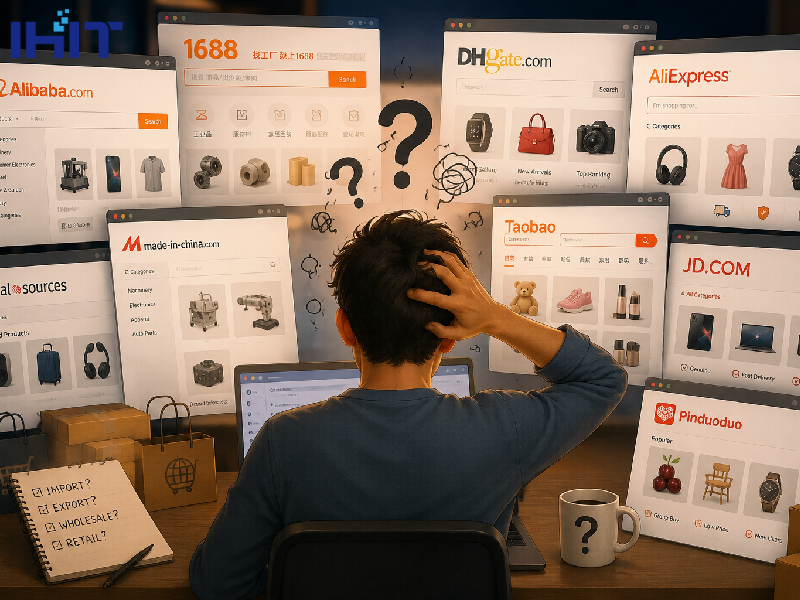
Working with a trustworthy supplier can significantly reduce business risks. Before placing an order, make sure to review the following:
- Business history: Suppliers with a longer operating history and consistent sales records are generally more reliable.
- Ratings and customer reviews: Previous buyers’ feedback provides valuable insight into product quality and customer service.
- Certifications and standards: Recognized certifications and compliance documents indicate a professional and credible supplier.
- Request product samples: Always evaluate a sample before placing large-volume orders.
- Negotiate the terms: Agree on pricing, delivery schedules, payment terms, and after-sales support before confirming the order.
How to Register and Sell Products on Online Selling Platforms in China
If you want to sell your products through online selling platforms in China, the first step is to review the seller registration requirements of your chosen platform. Although each Chinese online marketplace has its own policies, the registration process typically includes the following steps:
- Create a seller account and choose the appropriate account type.
- Complete your company profile and upload the required business documents.
- Verify your identity and complete the platform’s approval process.
- Create a professional product catalog with high-quality images, technical specifications, and detailed descriptions.
- Set your pricing, shipping options, payment terms, and manage incoming orders.
After your store is live, make sure your product listings are complete and professionally presented. High-quality images, accurate descriptions, and timely responses to customer inquiries can help build trust and increase sales.
For international transactions, using Trade Finance Solutions is highly recommended, as they help secure payments and reduce risks such as non-delivery, payment disputes, and other cross-border trading issues.
Key Tips Before Buying or Selling on Chinese Online Platforms
Buying or selling through online selling platforms in China can open up valuable business opportunities. However, overlooking a few essential details may lead to unnecessary costs or complications. Before placing an order or opening a seller account, keep the following points in mind:
- Use secure payment methods: Always choose secure and traceable payment options. Avoid paying the full amount until you have verified the supplier’s credibility.
- Plan your shipping strategy: Confirm shipping methods, delivery times, transportation costs, and each party’s responsibilities before placing an order.
- Understand customs requirements: Review import duties, required documentation, and customs regulations in your destination country to avoid delays or unexpected costs.
- Work with an inspection company: For bulk orders, consider hiring a reputable inspection service to verify product quality before shipment.
- Calculate all additional costs: Besides the product price, include shipping, insurance, payment fees, taxes, customs duties, and clearance costs when estimating your total expenses.
Conclusion
Choosing the right Chinese online marketplace depends on your business goals, product type, and target market. By understanding the strengths of different online selling platforms in China, you can make informed decisions and create more opportunities for business growth in the Chinese online marketplace.
If you’re planning to enter the Chinese market or expand your international business, the experienced team at IHIT IRAN, based in Beijing, is ready to support you with practical guidance and professional import and export solutions every step of the way.
If you are looking for additional ways to attract Chinese buyers and business partners, we recommend reading this article: How to Find Chinese Customers?
Frequently Asked Questions
If you’re looking for wholesale purchasing and direct access to manufacturers, Alibaba, 1688, and Made-in-China are among the best options. The right choice depends on your product category, order volume, and business objectives.
Yes. Manufacturers, brands, and businesses can register as sellers on Alibaba by completing the required business verification process and creating a storefront to reach international buyers.
The main difference is their target audience. Alibaba is built for international trade and supports English, while 1688 primarily serves the domestic Chinese market and operates mainly in Chinese. Because of this, many international buyers use sourcing agents or trading companies when purchasing through 1688.
For wholesale sourcing and importing, Alibaba, 1688, and Made-in-China are among the most popular choices. They allow buyers to connect directly with manufacturers, request quotations, and place bulk orders.
It depends on the platform. Some Chinese marketplaces allow businesses to create a basic seller account for free, while premium features, advertising tools, and advanced business services usually require a paid subscription or membership.