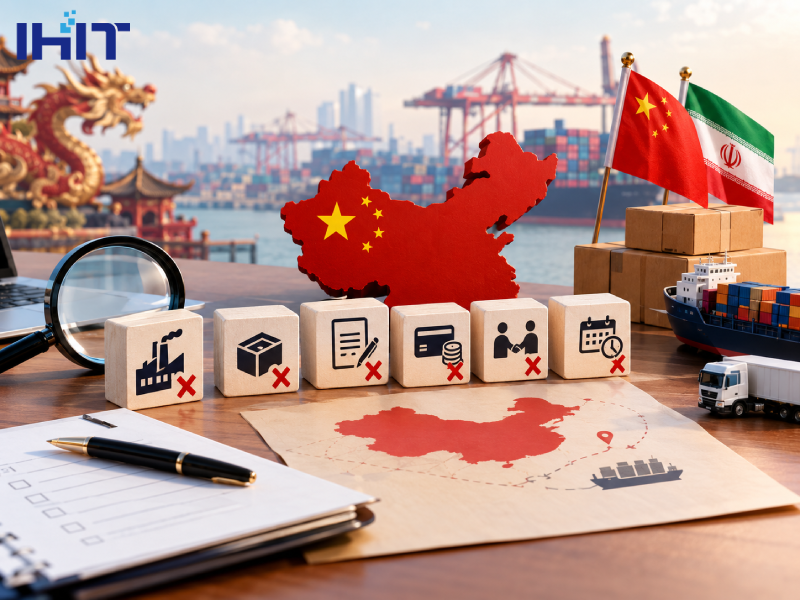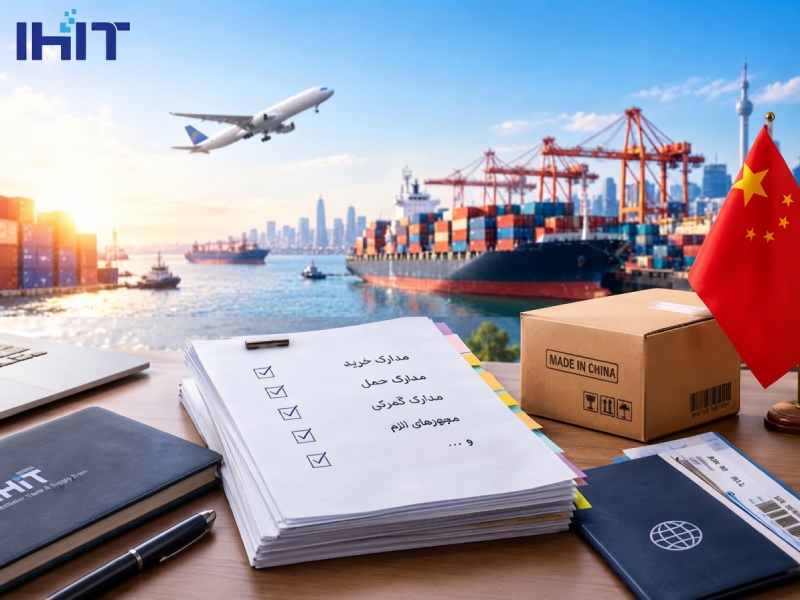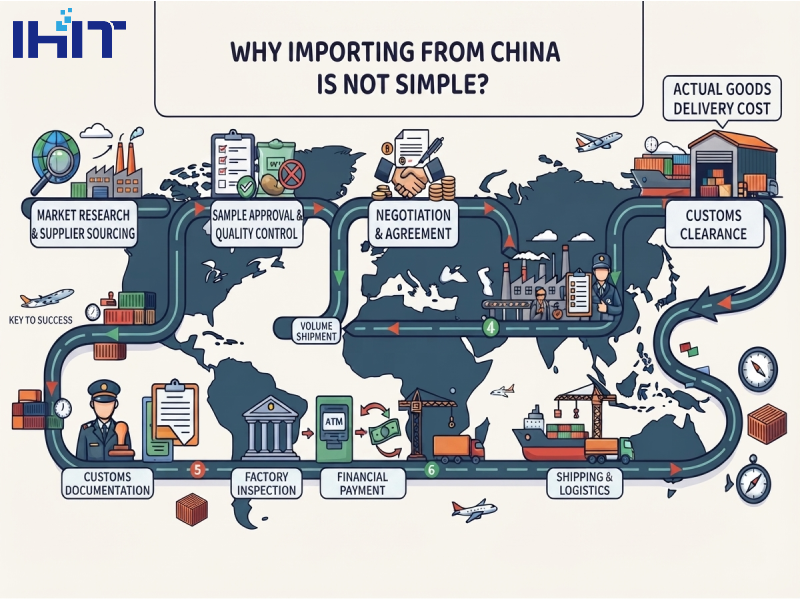
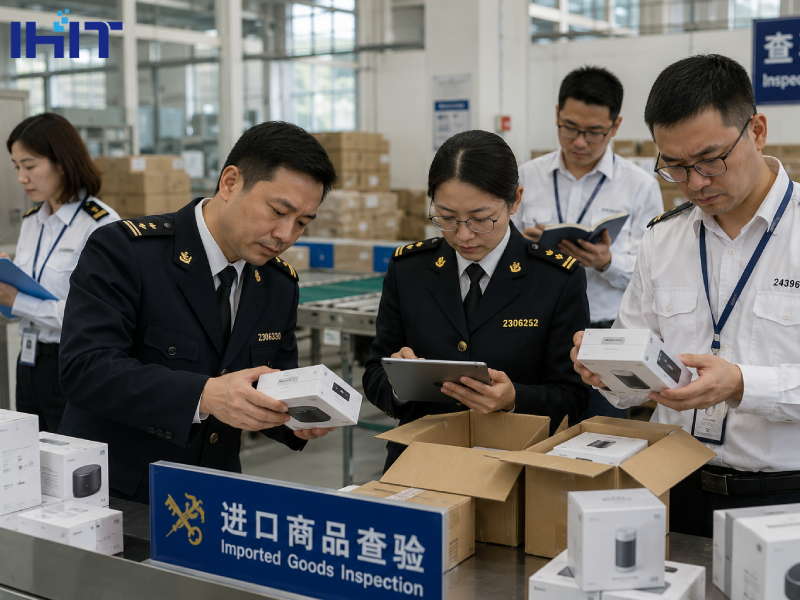
Understanding China import standards, regulatory requirements, and product compliance procedures is essential for avoiding customs delays, unexpected costs, and even shipment rejection. Many exporters encounter preventable challenges simply because they overlook these regulations before shipping their products.
At iHiT Beijing, we help businesses simplify the process of exporting products to China by providing practical market insights and professional trade support. Before starting your export journey, we recommend reading our Guide to Exporting to China to gain a clear understanding of the key steps involved in entering the Chinese market.
| Standard | Purpose |
|---|---|
| GB Standards | China’s National Standards |
| CCC Certification | Mandatory certification for specific products |
| China RoHS | Restriction of hazardous substances |
| Health & Quarantine Requirements | Food, pharmaceutical, and agricultural products |
| Labeling Requirements | Product labeling and packaging compliance |
| Customs Documentation | Documents required for customs clearance |
1. What Are China’s GB Standards and Which Products Do They Apply To?
China’s GB Standards are national regulations that define the quality, safety, and technical requirements products must meet before entering the Chinese market. Non-compliance can lead to customs delays or restricted market access.
These standards apply to various product categories, including industrial goods, electronics, food products, and medical devices. Before exporting, businesses should identify the relevant GB requirements for their products.
Understanding GB Standards helps companies reduce risks and simplify the import process when planning China market entry.
2. What Is CCC Certification and Which Products Require It?
China Compulsory Certification (CCC) is a mandatory certification system that ensures certain products meet China’s safety, quality, and technical requirements. Products requiring CCC certification may face customs clearance issues or rejection if shipped without proper approval.
CCC commonly applies to products such as:
- Electrical appliances and equipment
- Automotive parts
- Lighting products
- Industrial machinery
- Electronic and telecommunications equipment
- Electrical cables and wires
- Toys and selected consumer products
Since CCC requirements can change, exporters should verify the latest regulations before exporting products to China to avoid compliance risks.
3. What Safety and Quality Tests Are Required for Products Imported into China?
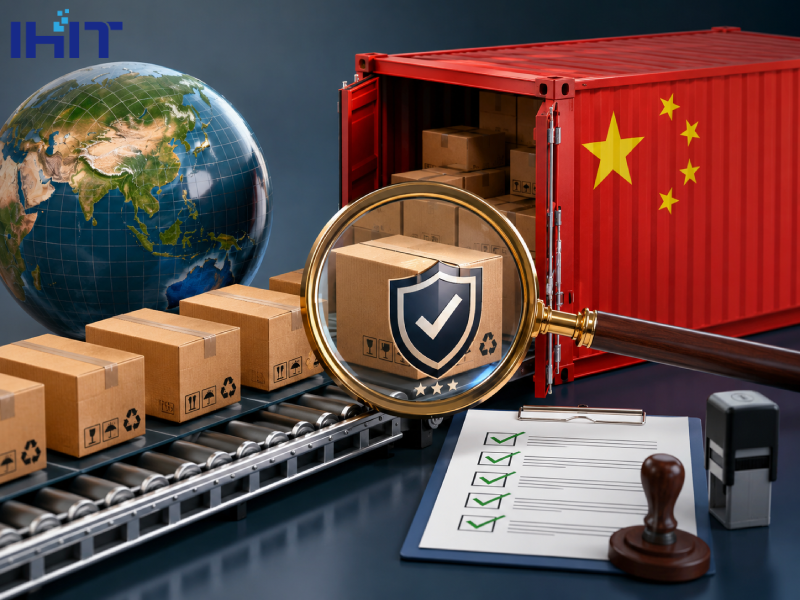
Chinese authorities assess both documentation and product safety, requiring tests for factors such as mechanical strength, chemical composition, electrical safety, and performance. International standards like ISO and IEC may support the process but do not replace China’s specific import standards.
Many exporters assume product quality alone is enough, but compliance with Chinese technical requirements is essential. Using Export Facilitation Services helps businesses identify regulations, manage assessments, prepare documents, and reduce export risks.
4. What Are China’s Product Labeling Requirements?
Proper labeling and packaging are essential parts of China’s import standards. Incorrect or incomplete information can lead to customs delays or product rejection. Labels may need to include details such as product name, country of origin, storage conditions, safety warnings, and, in some cases, Chinese-language information according to local regulations.
Packaging must also protect products during transportation. Companies that regularly operate in the Chinese market often use Shared and Private Office Spaces in China to coordinate operational activities and simplify import processes.
5. Which Products Require Health or Quarantine Certificates in China?
Products such as food, agricultural goods, cosmetics, pharmaceuticals, and certain animal or plant-based products must comply with China’s health and quarantine requirements in addition to general standards.
Chinese authorities may review health documents, laboratory certificates, or certificates of origin before allowing products to enter the market and may also inspect shipments. Failure to meet requirements can result in product detention, return, or destruction.
6. What Is China RoHS and Which Products Need It?
China has introduced strict environmental regulations to reduce the use of hazardous substances, especially for electronic equipment, electrical components, and certain industrial products.
One of the most important regulations is China RoHS, which restricts the use of substances such as lead, mercury, and cadmium. If a product falls under these requirements, manufacturers must prove compliance with the relevant regulations.
7. What Documents Are Required for Customs Clearance in China?
Incomplete documentation can cause customs delays and increase export costs. Required documents usually include commercial invoices, packing lists, bills of lading, certificates of origin, testing or compliance certificates, and, in some cases, import permits or health certificates.
All information provided in these documents must accurately match the product specifications. In some transactions, using Trade Financial Guarantees can reduce financial risks and contractual disputes while providing greater security for both parties.
If you are unfamiliar with the documentation process, it is recommended to first review the Export License Process to better understand the required steps.
How Can You Ensure Your Product Complies with China’s Standards?
Meeting China’s import standards involves more than obtaining certificates or preparing documents. Before exporting, businesses should identify the relevant requirements for their products and carefully review quality control, labeling, packaging, and documentation to avoid customs issues.
Using Business Consulting Services can help identify regulatory requirements, prepare accurate documents, and reduce costly mistakes. Since China’s regulations may change over time, exporters should always verify the latest standards before each shipment.
Avoid These Mistakes When Exporting Products to China
Many challenges in exporting products to China occur due to issues such as incomplete documentation, incorrect labeling, or failure to meet technical requirements. These problems can result in customs delays, additional costs, or rejected shipments.
A common mistake is assuming that international standards such as ISO are always sufficient. However, many products must also comply with China-specific requirements, including GB Standards and CCC Certification. Failing to review updated regulations or shipping products without proper testing and assessment can significantly increase the risk of rejection.
Conclusion
Entering the Chinese market offers valuable opportunities for business growth, but success requires a clear understanding of China’s import standards and regulatory requirements.
Knowing key requirements such as GB Standards, CCC Certification, labeling regulations, health requirements, environmental standards, and customs documentation — along with proper product quality control in China — can help prevent delays, additional costs, and product returns while building trust with Chinese buyers.