At House of Innovation and Technology in Beijing (iHiT), our experience in doing business with China shows that many problems start with mistakes that could have been avoided before placing an order—from verifying supplier information and product specifications to handling payments, contracts, and delivery schedules.
In this article, we examine some of the most common mistake’s businesses make when trading with China—mistakes that can lead to higher costs, delivery delays, or disputes with business partners. Understanding these risks, along with becoming familiar with the Import Facilitation from China process, can help buyers make more informed decisions before placing an order.
1. Why Shouldn’t You Rely Solely on the Information Provided by the Supplier?
One common mistake is accepting a supplier’s initial information without conducting further checks. Catalogs, product images, and stated specifications do not necessarily tell you the full story behind a transaction.
Before placing an order, verify the company’s information, product specifications, and transaction terms, and cross-check them against the relevant documents. Also make sure you understand exactly what is included in the quoted price.
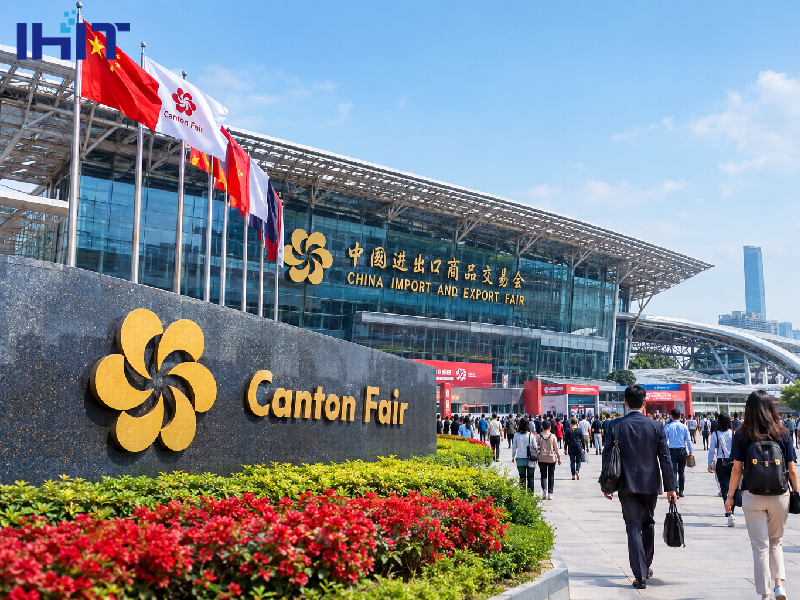
If you have the opportunity to negotiate in person, trade fairs can be a valuable way to obtain more accurate information. Exhibition Services in China can also support your participation and negotiations with suppliers.
2. Is Approving a Sample Enough to Ensure the Quality of Your Order?
A common mistake is assuming that once a sample has been approved, the quality of the entire order is guaranteed. A sample is only a reference for the product specifications and, by itself, does not guarantee the quality of the full production run.
For this reason, record the technical specifications, raw materials, dimensions, packaging requirements, and acceptance criteria in the transaction documents, and establish from the outset at which stage quality control will be carried out.
3. Why Can Verbal Agreements Cause Problems When Doing Business with China?

Put the price, product specifications, quantity, payment terms, and delivery schedule in writing from the beginning. If the contract is bilingual, also specify which version is legally binding and how disputes will be resolved.
Using Business Consulting Services before signing a contract can help identify ambiguities and reduce the risk of future disputes. It is also important to agree in advance on how issues such as non-conforming goods, delays, or shortages will be handled.
4. Why Can Paying the Full Amount Before Production Be Risky?
One costly mistake is paying the full order amount upfront without considering the production stage or the seller’s obligations.
It is better to align the payment schedule with clearly defined stages of the transaction and, before transferring funds, verify that the account holder’s name matches the information of the company you are contracting with. For larger transactions, Financial Guarantees for Transactions with China can also help reduce the risks associated with the commitments of both parties.
5. Why Is Building a Long-Term Business Relationship with a Supplier Important?
Doing business with a supplier is not limited to a single order. Building a stable working relationship can make it easier to coordinate future orders, production changes, and potential problems.
To build this relationship, manage your initial orders carefully, make payments on time, and provide clear feedback on product quality and any issues with the order. It is also better to clearly document any significant changes to the order or terms of cooperation each time they occur.
If you need to meet and negotiate in person, Coworking Space in China can also be useful for meetings and temporary business activities.
6. Why Shouldn’t You Compare Suppliers Based on Price Alone?

A common mistake is looking only at the final quoted price and choosing the cheapest option. Two suppliers may offer different prices for the same product, but their delivery terms, minimum order quantity (MOQ), or production lead time (Lead Time) may not be the same.
Before comparing quotes, determine exactly what each supplier has included in its price. Also check whether the offer is based on EXW, FOB, or CIF terms so that you are comparing prices under equivalent conditions.
7. Why Shouldn’t You Overlook Chinese Holidays When Planning Your Schedule?
Holidays such as Chinese New Year and National Day can lead to production stoppages or slowdowns and delays in shipping. During these periods, order volumes may also increase, resulting in longer delivery times.
If you need the goods by a specific date, place your order well in advance and factor production time, holidays, shipping, and customs clearance into your schedule. Before placing the order, also ask the supplier about factory holidays and the actual delivery date.
Conclusion
Before placing any order from China, check the following:
- Verify the supplier’s identity and track record.
- Obtain the product specifications and an approved sample.
- Put all agreements and compensation terms in writing.
- Link payments to production and shipping milestones.
- Start with a small initial order and build the relationship over time.
- Confirm EXW, FOB, CIF, MOQ, and Lead Time before comparing prices.
- Factor Chinese holidays into your delivery schedule.
These simple steps can help prevent many of the costs and disputes that may arise when doing business with China.