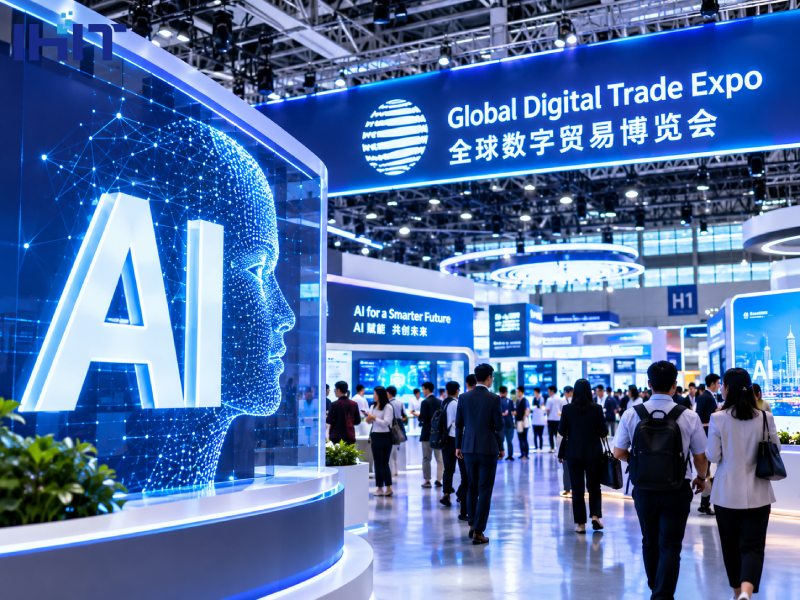

Artificial intelligence in China is no longer just a technology topic; it has become a market that, alongside AI models and processing chips, has also created demand for equipment, infrastructure, software, and specialized services. This growth isn’t just speculation—trade statistics confirm it too. China’s exports grew 23% year-over-year in July 2026, a surge that analysts largely attribute to the global boom in AI infrastructure investment.
IHouse of Innovation and Technology in China (iHiT)) tracks this trend from a trade and market-cooperation perspective, since the growth of this industry can create new opportunities for companies looking to source products, form technology partnerships, or enter China’s supply chain.
Beyond AI Chips: Where Is the Real Opportunity in China’s AI Boom?
During the gold rush era, the gold miners themselves weren’t necessarily the ones who profited most; it was often the sellers of the tools and equipment miners needed who benefited the most from the boom. A similar dynamic is now taking shape in China’s AI wave.
The data backs this up: in May 2026, China’s trade surplus jumped to $105.43 billion on the back of a 19.4% surge in exports, driven largely by AI-related equipment. Over the same period, exports of computers and their components grew 66%, while exports of integrated circuits (chips) more than doubled. In other words, demand isn’t concentrated solely on AI models—it’s spread across processing chips, servers, memory modules, networking equipment, and data center cooling systems.
For companies engaged in technology trade with China, this means the opportunity also lies in supplying this equipment and these services—just like selling “picks and shovels” during the gold rush.
China’s AI Chip Boom: Where Are the Business Opportunities?
China has accelerated the development of domestic AI chips to reduce its reliance on foreign technology and respond to export restrictions. Companies such as Enflame, Huawei, and Moore Threads are competing for a larger share of this market.
But the commercial opportunity is not limited to the chips themselves. The growth of AI infrastructure also requires servers, memory, networking equipment, data centers, and cooling systems. Companies looking to enter China’s AI market therefore need to look at the entire supply chain, not just chip manufacturers.
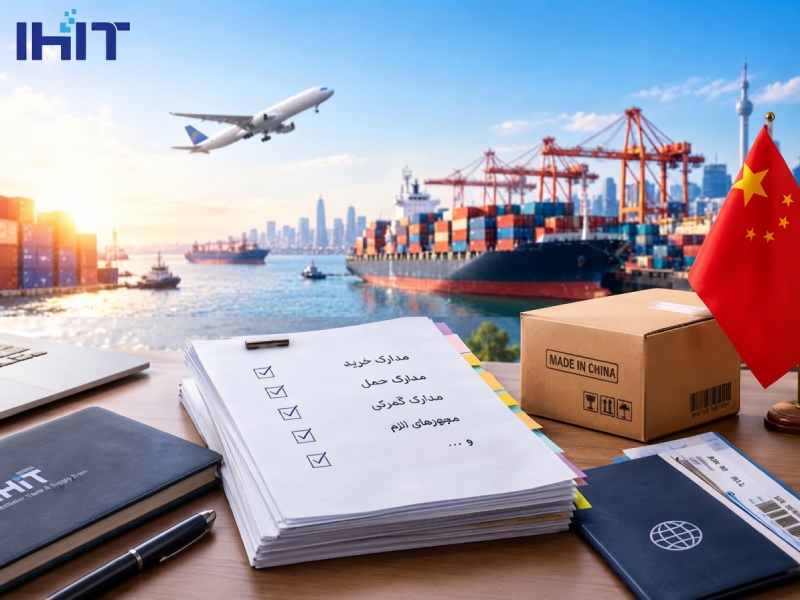
If the goal is to source this type of equipment from China, it is essential to assess technical specifications, supplier credibility, product compatibility, and import requirements before making a deal. In such cases, Import Facilitation from China can help with supplier identification and the overall sourcing process.
What Business Opportunities Exist Beyond AI Chips?

The biggest opportunity may not be the chip itself. The expansion of AI infrastructure is increasing demand for a wide range of products, from data center equipment and servers to cooling systems and networking hardware.
This means business opportunities in the AI market can also exist for companies that do not manufacture chips themselves. One company may specialize in data center equipment, another may provide specialized software, while another may supply components or supporting equipment required by the industry.
To evaluate business opportunities in the AI market, it helps to start with three simple questions:
- What product or service is seeing growing demand across the AI supply chain?
- Which Chinese companies can produce it at the right quality and price?
- Is it technically and legally possible to cooperate, export, or import the product?
This approach provides a more realistic picture of technology trade with China than simply focusing on a handful of well-known AI companies.
For a closer look at different product categories and how to evaluate them, see the guide What Products Should You Import from China?
Is Entering This Market Simple for International Companies?
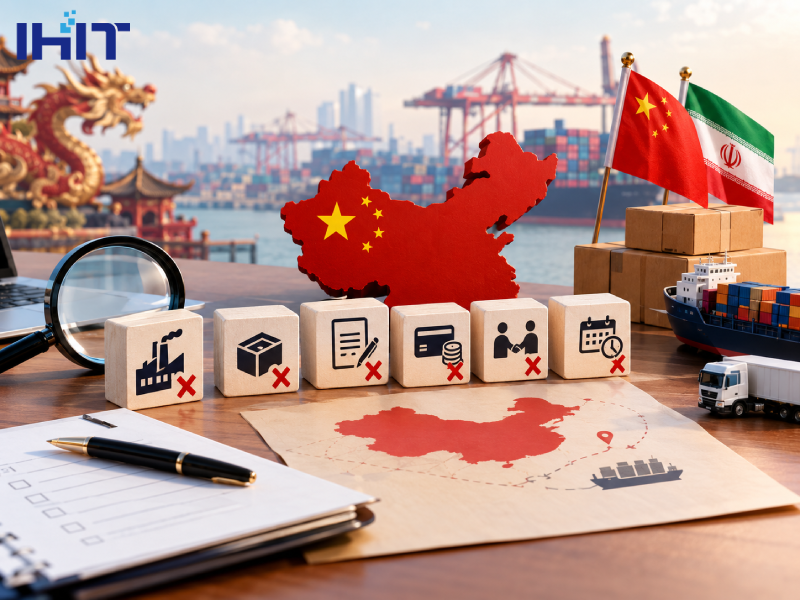
The growth of China’s AI market does not mean that finding a supplier and placing an order is enough. In technology-related products, differences in technical specifications, standards, after-sales support, intellectual property, payment terms, and supplier credibility can all affect the outcome of a transaction.
That is why Business Consulting Services can be useful when assessing the market, selecting business partners, and evaluating transaction risks—especially when dealing with specialized products or high-value transactions.
For companies looking to identify manufacturers and technology partners in person, Exhibition Services in China can also provide a way to understand the market and connect directly with companies active in the sector.
How Should You Evaluate AI Opportunities in China?
To enter China’s AI market, do not focus only on major AI companies. Significant opportunities can exist throughout the supply chain, from equipment and infrastructure to specialized services.
Start by identifying market demand, then evaluate suppliers, products, and potential cooperation models. In technology trade with China, understanding import and export requirements can also reduce the risks involved in making a decision.
Ultimately, business opportunities in the AI market are not limited to chips. As AI adoption expands across China, demand for equipment, infrastructure, and specialized services is likely to grow as well.
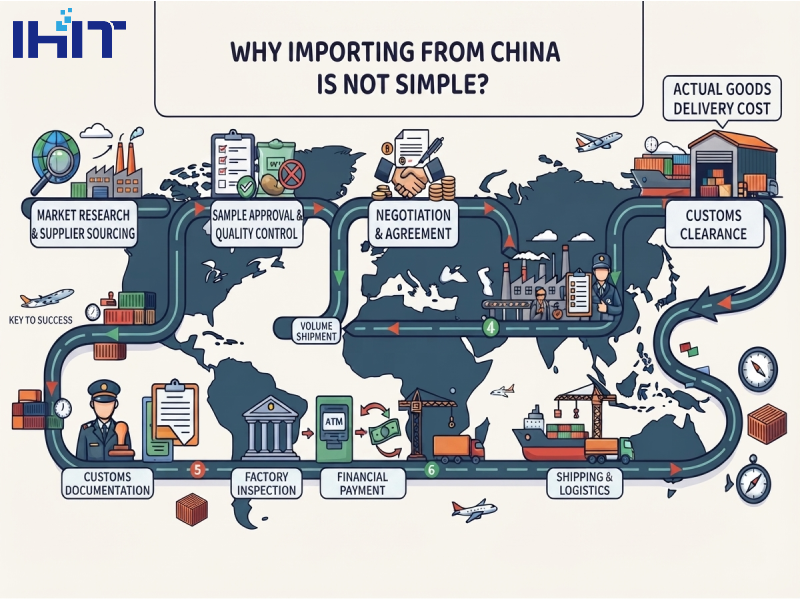
If you have concerns about the practical risks of sourcing from China, the article Why Is Importing from China Not as Simple as It Seems? provides a useful complement to this discussion.
Frequently Asked Questions
No. The growth of this industry also drives demand for servers, memory, networking equipment, data centers, cooling systems, and specialized services. Companies can operate anywhere along this supply chain—not just in direct chip manufacturing.
Before purchasing, you should verify the product’s technical specifications, the supplier’s credibility, product compatibility with market needs, and the legal feasibility of importing it. Using import facilitation services can make this process safer and faster.
Companies like Huawei, Enflame, and Moore Threads are among the key players developing domestic AI chips in China, built to reduce dependence on foreign technology.
The best starting point is clearly defining your need (product or service), then evaluating several suppliers based on quality, price, and track record. Attending specialized trade shows in China or using business consulting services can shorten this path.
Yes, especially for technology products, where differences in standards, intellectual property, payment terms, and after-sales service can significantly affect the outcome of a deal. For high-value transactions or specialized products, business consulting is recommended.
No. This industry’s supply chain is broad, and smaller companies can also find their place in supplying components, peripheral equipment, or specialized services.